





Improving your golf game doesn’t always require hours at the driving range or regular rounds on the course. With the rise of indoor golf simulators and high-quality golf training aids, practising at home has become an achievable, realistic and highly effective option for players of all levels.
But a common question many golfers ask is, ‘How often should you practise at home to see real improvement?’
The answer depends on your current skill level, your goals, and the type of practice setup you have at home. In most cases, it’s not about the length of any single session or series of sessions, but rather about consistency.
With golf experiencing a boom period at the moment, with record-breaking rounds played in Great Britain in 2025 (up 14% from 2024, and the highest since records began), training effectively is a priority for many golfers of all skill levels.
Why Consistent Golf Practice Matters More Than Length
When it comes to developing your golf skills, frequent, focused practice sessions are generally far more effective for most golfers than sporadic, longer ones.
Shorter sessions repeated several times a week help reinforce muscle memory, improve technique, and help players keep their concentration. On the flip side, longer, less frequent sessions can lead to fatigue and inconsistent results, particularly if your form starts to slip.
One of the biggest advantages of practising golf at home is accessibility. With an indoor golf simulator or a well-designed practice setup, you can fit sessions into your routine far more easily, whether that’s 30 minutes after work or a focused session at the weekend.
Over time, this consistency is a key factor in driving meaningful, lasting improvement.
How Often Should You Practise Golf?
While there’s no one-size-fits-all answer, your ideal practice frequency will depend on your current skill level, available time, and how quickly you’re looking to improve.
Beginners
If you’re relatively new to golf, practising 2–3 times per week is a great starting point.
At this stage, the focus should be on building solid fundamentals like your grip, stance, posture, and swing motion. Short, structured training sessions are ideal, allowing you to develop confidence without feeling overwhelmed.
Using simple golf training aids can also help reinforce correct movement patterns early on.
Intermediate Players
For golfers with some experience, increasing practice to 3–4 sessions per week can help accelerate your progress.
At this level, it’s beneficial to combine technical drills with more realistic play. A home golf simulator can be particularly valuable here, allowing you to practise different shot types and simulate on-course scenarios while receiving instant feedback on performance. This balance helps bridge the gap between practice and real playing conditions.
Advanced or Competitive Golfers
More experienced players or those working towards specific performance goals may benefit from practising 4–6 times per week, depending on availability.
At this level, practice often becomes far more data-driven. Simulators can provide detailed insights into swing speed, ball flight, and accuracy, helping you make precise adjustments over time.
However, even at an advanced level, it’s important to prioritise quality over quantity. Dedicated, focused sessions with clear objectives will always deliver better results than simply hitting more balls repeatedly.
How Indoor Golf Simulators Improve Home Practice
Golf simulators have transformed how golfers, from beginners to advanced players, approach practice at home.
Rather than simply hitting balls into a net, simulators allow you to track key performance metrics, analyse your swing, and even play virtual rounds on world-famous golf courses in an immersive experience. This makes practice sessions more engaging, purposeful, and tailored to individual performance data.
For many golfers, this level of real-time feedback is what turns routine practice into time spent making measurable improvements to their game, while being enjoyable at the same time.
Using Golf Training Aids Effectively
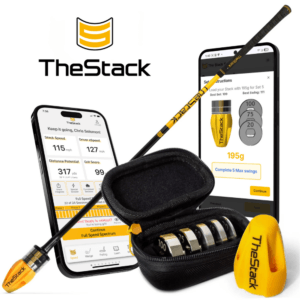
Alongside simulators, golf practice aids play a pivotal role in refining specific elements of your game. These aids, ranging from plane and alignment tools to chipping nets and putting mats, are designed to isolate key skills and help you work on them methodically.
Driver swings, chip shots, and putting can all be practised and refined in a highly controlled environment that closely replicates real on-course conditions
The key is to use these proven golf training aids with intent, as opposed to relying on them passively. Incorporate training aids into structured drills that target your individual weaknesses, whether that’s improving swing path, consistency, or short game accuracy.
When used alongside a simulator or regular practice routine, they can significantly enhance your overall development.
Building a Realistic At-Home Practice Routine
The most effective practice routine is one that fits into your lifestyle and can be maintained consistently over time.
Start by setting realistic expectations. Even a few sessions per week can make a profound difference if they are well-structured, focused, and achievable within your weekly routine.
A balanced session might include:
- A short warm-up
- Targeted drills using training aids
- Simulator-based practice or shot simulation
- A brief review of performance
Keeping sessions meaningful, and avoiding the temptation to simply hit balls as if you were at a driving range, will help you get far more value from your time.
Elevate Your Practice Routine With Golf Swing Systems
Practising golf at home is one of the most convenient and effective ways to improve your game, particularly when supported by the right tools.
While the ideal session frequency and structure will vary from player to player, the key takeaway is simple: consistent, focused practice delivers better results than sporadic, infrequent and prolonged sessions.
Whether you’re just starting out or looking to refine your performance, combining an indoor golf simulator with carefully chosen golf training aids can help you build a routine that supports steady, long-term progress. For more information about our bespoke indoor golf simulator setups and product range, get in touch with Golf Swing Systems today.
Showing Category:

How Often Should You Practise Golf at Home?
Improving your golf game doesn’t always require hours at the driving range or regular rounds on the course. With the rise of indoor golf simulators and high-quality golf training aids, practising at home has become an achievable, realistic and highly effective option for players of all levels. But a common ...
Read More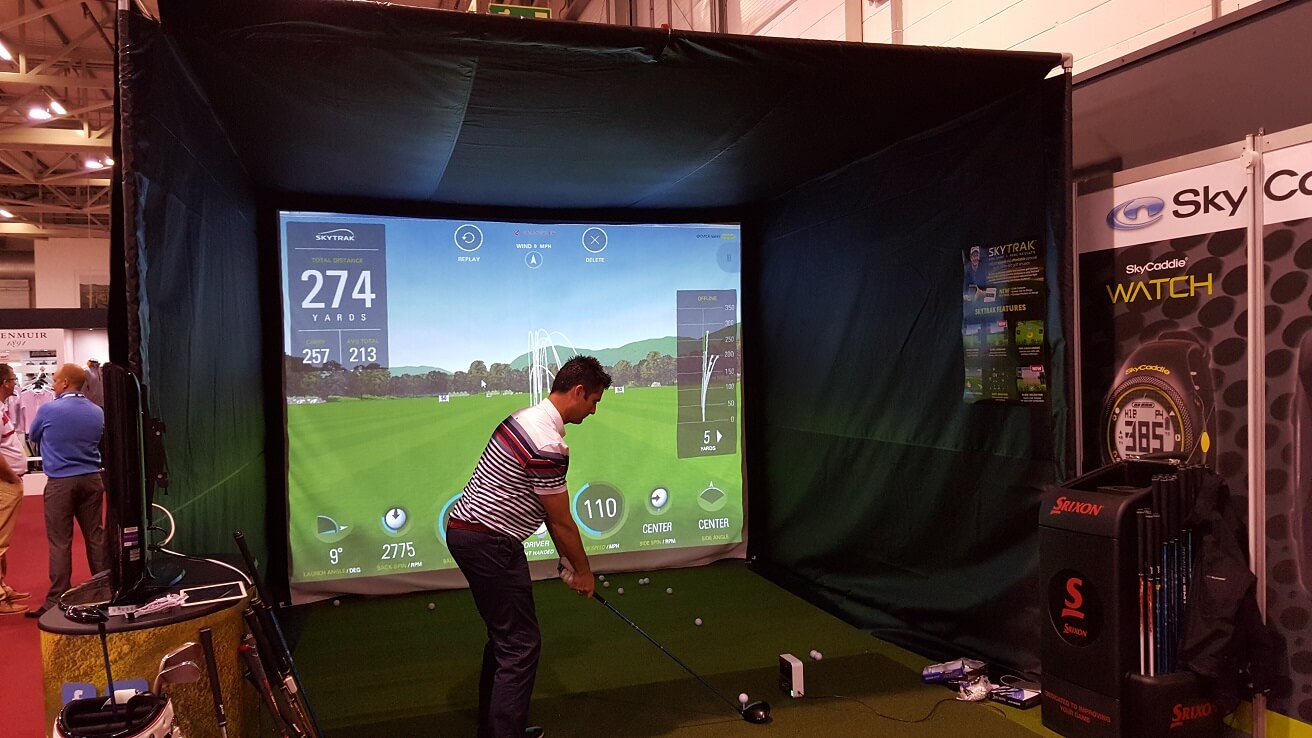
What Metrics Do You Need to Track with Golf Launch Monitors?
When it comes to ascertaining how players analyse and improve their swings, modern golf launch monitors have, pardon the pun, changed the game entirely. Launch monitor technology was, at one point, reserved for tour professionals and elite coaching facilities. However, now it is widely accessible for home simulator setups and ...
Read More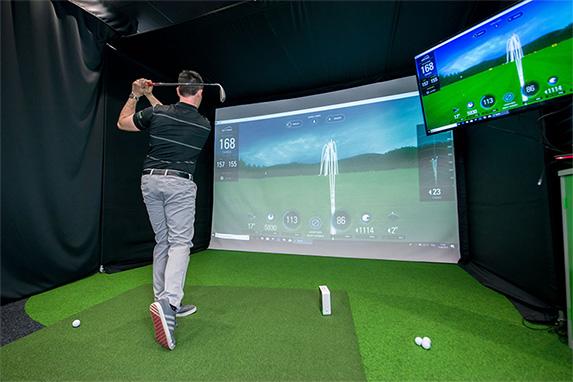
What Do You Need for a Complete Home Golf Studio Setup?
Creating your own personal home golf studio might sound daunting and difficult, but it’s incredibly achievable. If you’re a golf enthusiast looking to create a year-round practice facility for yourself, where you can perfect your swing without leaving home, a golf simulator setup gives you everything you need. It does, ...
Read More
Must-Have Golf Training Aids (2026 Update)
The best golfers never truly stop training; there’s always room for improvement as far as swing movement is concerned. Whether you’re an amateur golfer working on building your dream home simulator setup, or working on behalf of a commercial club refining your teaching and year-round practice facility, you can always ...
Read More
What Type of Golf Practice Mat Should You Buy?
When you’re looking to improve your golf game at home or set up a bespoke golf simulator suite, perhaps in a spare room or as a bespoke garden building, choosing the right golf practice mat makes all the difference. You’ll know from using any driving range that they have anything ...
Read More
How to Create the Perfect Indoor Putting Green
For golfers looking to take their short game to the next level, consistent training and practice remain vital. While it’s important to practice your full swing and undertake a rigid exercise routine, putting often makes a difference between a good round and a great round. As such, an indoor putting ...
Read More
Bringing the Vision to Life: Our Work at GolfQube Cheltenham
As the team at Golf Swing Systems, we’re delighted to share the story behind our collaboration with GolfQube Cheltenham — from conception and design to installation, and ultimately to opening a truly next-generation indoor golf destination. In this blog post we’ll walk you through the project from our perspective: what ...
Read More
Christmas Ideas for Golfers
Christmas shopping for golf enthusiasts becomes easier when you have an understanding about the fundamentals of their game. Even if you’re not a golf fan yourself, at this time of year, giving them a purposeful and thoughtful gift that they will benefit from and appreciate is far more meaningful. This ...
Read More
Black Friday Gifts for Golfers
Finding an ideal present for a golfer might sound easy, and it might also, at first glance, sound pricey. However, it doesn’t have to break the bank, and certainly when Black Friday rolls around, there are plenty of great options at your disposal. At Golf Swing Systems, we take great ...
Read More
Mobility Exercises to Improve Your Golf Swing
Every golfer, be they professional or amateur, knows that perfecting your swing takes more than just time on the course. Paying attention to your body’s mobility, flexibility and strength will, in the long run, improve your golf game. Top professionals such as Rory McIlroy and Viktor Hovland, have, over the ...
Read More


