








Top 5 Considerations When Building a Commercial Golf Simulator Venue

The indoor golf industry continues to grow, with more entrepreneurs, golf professionals, and facility owners exploring opportunities in commercial golf simulator venues. While simulator technology has become increasingly sophisticated, long-term success depends on much more than simply installing a launch monitor and opening the doors.
After helping deliver hundreds of commercial golf simulator venues across Europe, our team has gained valuable insight into what separates successful facilities from those that struggle to achieve their goals. While every venue is unique, there are several key considerations that consistently play a major role in long-term success.
Here are our top five recommendations for anyone planning a commercial golf simulator venue:
1. Build Multiple Revenue Streams
One of the biggest misconceptions surrounding indoor golf businesses is that profitability comes purely from simulator bay hire.
The reality is that the most successful venues often generate revenue from a variety of sources, including:
- Golf coaching and lessons
- Custom club fitting
- Membership programmes
- Leagues and competitions
- Corporate events
- Group bookings
- Food and beverage sales
Creating multiple revenue streams helps maximise facility utilisation and reduces reliance on a single source of income.
2. Design Your Facility Around the Customer Experience
Technology may attract customers initially, but the overall experience is what keeps them coming back.
When designing a simulator venue, operators should consider:
- Bay spacing and comfort
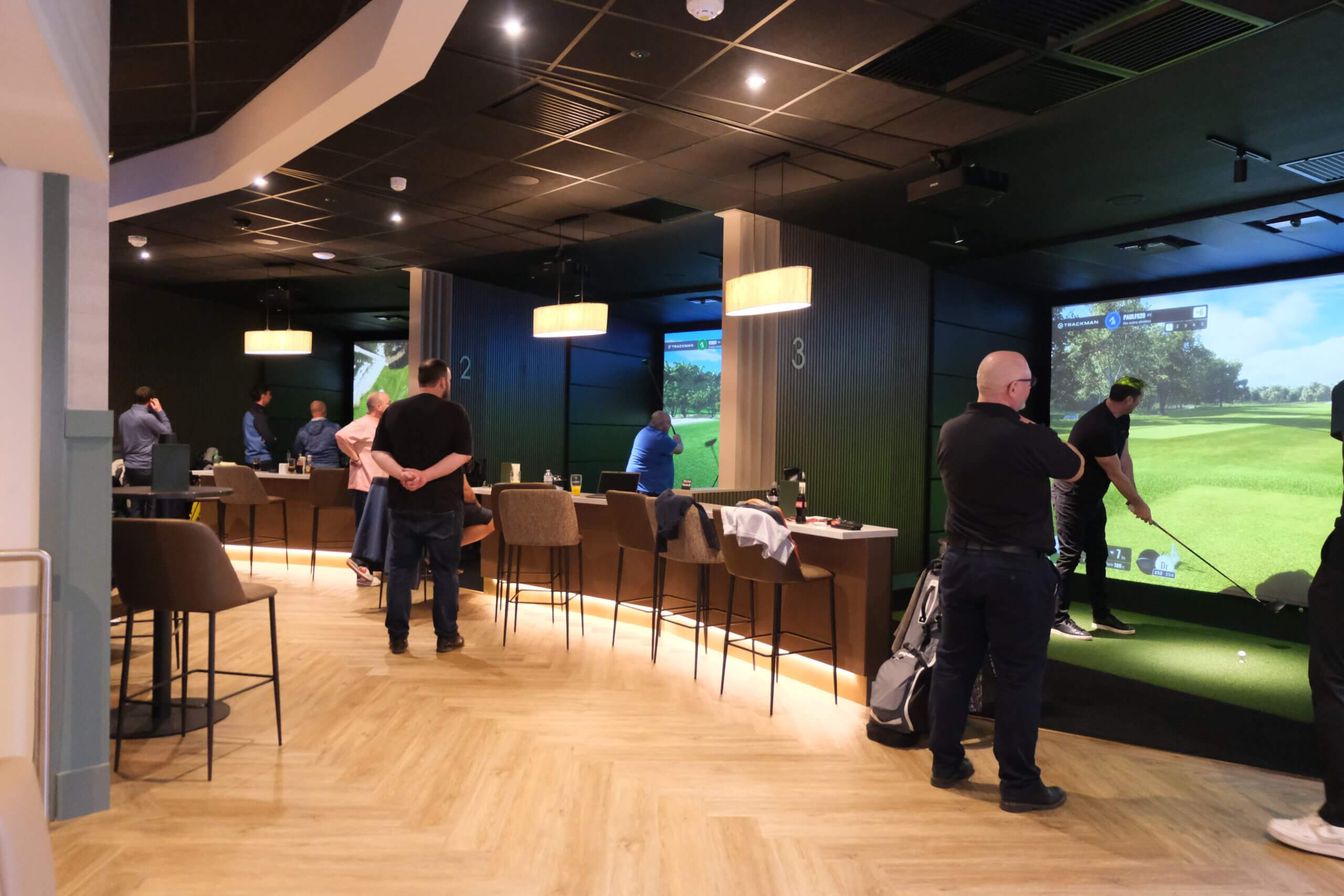
- Seating and social areas
- Lighting and ambience
- Ease of booking
- Accessibility
- Food and beverage integration
A well-designed facility can transform a simple simulator session into a premium customer experience that encourages repeat visits and memberships.
3. Understand Your Target Market
Not every indoor golf venue serves the same audience. Some facilities focus primarily on coaching and game improvement, while others prioritise entertainment, corporate events, or social golf experiences.
Understanding your local market is critical when making decisions around:
- Pricing strategy
- Opening hours
- Membership structure
- Marketing activity
- Facility layout
The most successful operators clearly define who they are targeting and build their offering accordingly.
4. Choose the Right Technology
The simulator technology you select will influence both the customer experience and the long-term reputation of your venue.
Key considerations include:
- Accuracy and reliability
- Software options
- Ease of use
- Ongoing support
- Future scalability
While technology should never be the only factor in your business plan, choosing a trusted platform can provide a strong foundation for future growth.
5. Think Beyond Launch Day
Opening a simulator venue is only the beginning. Long-term success depends on creating a sustainable business that continues to attract new customers while retaining existing ones.
This requires ongoing attention to:
- Marketing and promotion
- Community building
- Membership retention
- Events and competitions
- Customer feedback
- Operational efficiency
The venues that thrive over time are often those that continually evolve their offering and create reasons for customers to return throughout the year.
The Chip Indoor Golf Studio – Client Experience Case Study
To learn more about the realities in running a commercial golf centre, check out our case study video below featuring PGA Professional Jamie Brittain as he discusses the realities of running his own 2-Bay Trackman facility, The Chip Indoor Golf Studio.
Want to find out more information about our commercial build process? Get in touch with the GSS Team today!

Top 5 Considerations When Building a Commercial Golf Simulator Venue


